How it's made

Who does what

Human-directed. AI-rendered.
Human-perfected.

Not one prompt and done. The thinking before and the craft after are human, built on 6+ years of hands-on design, on site and in the studio, long before AI. In between, AI does the heavy lifting.

Who does the work

Who is in charge

Before AI · Human

The thinking.

  • The concept and the creative direction, worked until one idea is worth a whole campaign.
  • Cast, wardrobe, light, lens and grade, locked in a rig before anything renders.
  • The core decisions: what the brand says, and what it never says.

In between · AI

The heavy lifting.

  • Every frame rendered against the locked rig, not a loose prompt.
  • Every format: 16:9, 1:1, 4:5 and 9:16.
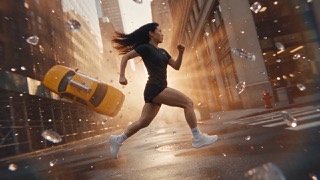
  • Stadiums at night, flipping taxis, knights in armchairs: shots no normal shoot budget could stage.
  • A human chooses which frames survive. Most don't.

After AI · Human

The perfecting.

  • Edited by hand in Photoshop and Illustrator: warped type rebuilt, bent shapes and hands corrected. Film cut in Premiere Pro.
  • The product checked against the real thing: label, colour, proportions.
  • Graded, typeset and signed off at professional grade, one frame at a time.

AI renders.
Everything else is human.

How it's made

Four steps.
AI gets one.

AI is the fastest camera ever built. 6+ years of design decide where to point it, and when to say no. One campaign, start to finish:

  1. HumanDirectThe idea, worked until one is worth a whole campaign.
  2. HumanLockCast, product, set, light and grade, written down before anything renders.
  3. AIRenderRendered inside the rig. Most frames don't make the cut.
  4. HumanPerfectPhotoshop and Illustrator, by hand: retouched, graded, typeset, cut to every format.

Show it with

  1. HumanBefore AI01 / 04

    Direct

    It starts as a sketch. Rough frames first, until one idea is worth a whole campaign. Nothing renders before that.

    A pencil storyboard of the Amstaff garage frame: the lifter in the rack, the barbell across his shoulders, the dog asleep in front, notes reading 'one bulb only', 'dog in every film' and 'blue rim light'.
    Amstaff — the sketch stage: one bulb, and the dog in every film.
  2. HumanBefore AI02 / 04

    Lock

    Then the rig gets written: cast, product, set, light, grade, and the one rule the idea lives or dies by. Every frame after this is checked against it, not against memory.

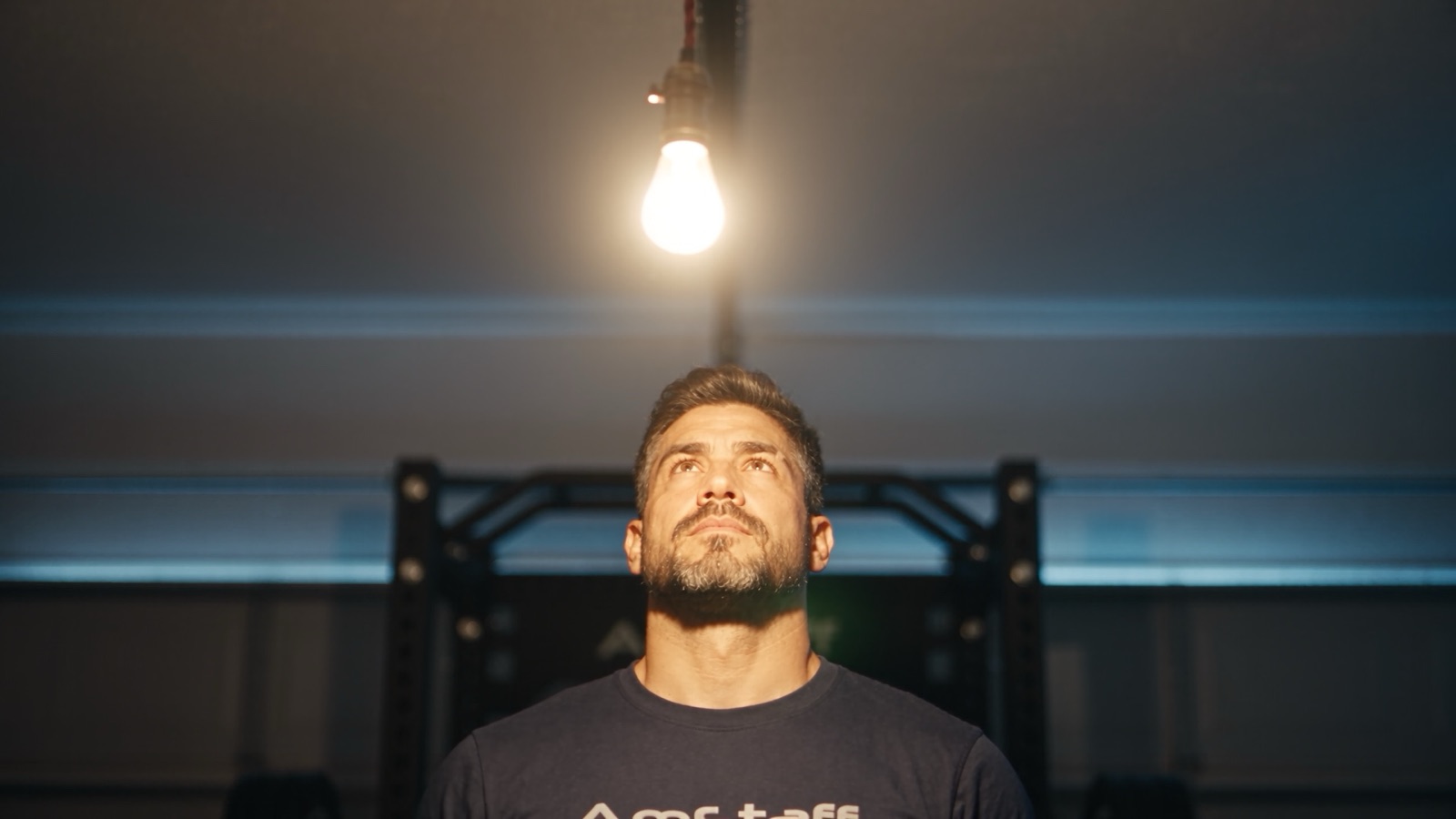
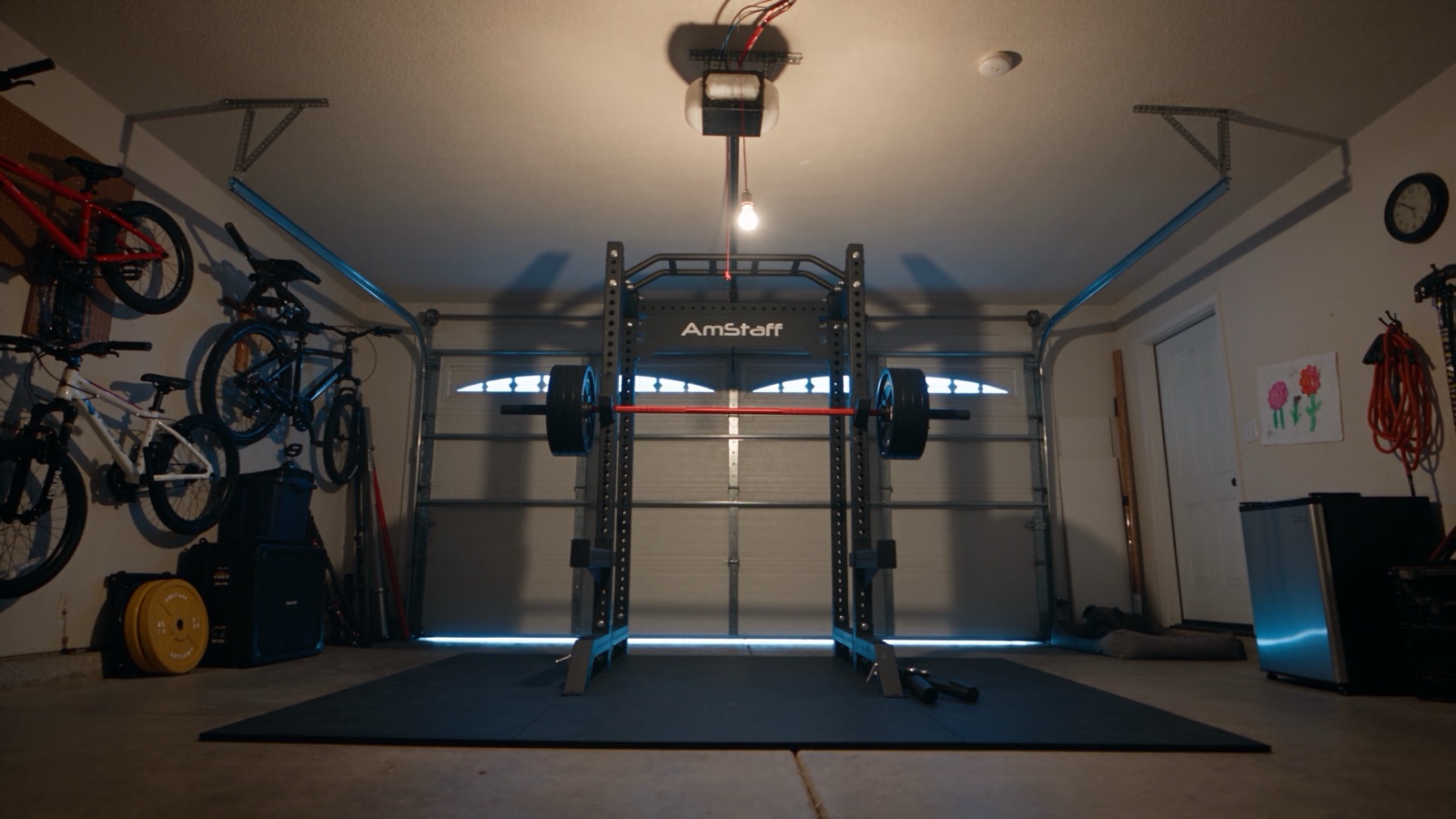
    Cast: the lifter in the Amstaff shirt, under one bare bulb.
    Cast
    Product: an Amstaff plate on the bar.
    Product
    Set: the garage gym, the rack facing the door.
    Set
    Light
    Night. One bare bulb, blue from the door.
    Grade
    Cool blacks, warm skin, one red bar.
    Rule
    The dog is in every film.
    Palette
    Garage black, door blue, bar red, skin.
    Amstaff — one lifter, one rack, one bulb, one dog.
  3. AIIn the rig03 / 04

    Render

    Once the idea is locked, AI renders it inside the rig: the frame from the sketch in hours, not a six-week shoot. Every render is reviewed by hand. Most don't make the cut.

    A raw Amstaff render: the grey dog walks past the rack in the wood-slat home gym, untouched and ungraded.
    Amstaff — straight from the machine. No cleanup, no grade.
  4. HumanAfter AI04 / 04

    Perfect

    Then 6+ years of multimedia design takes over. In Photoshop and Illustrator, by hand: warped type rebuilt, bent shapes and hands corrected, every frame graded, typeset and recut for each format. Nothing ships until it's perfect.

    The finished Amstaff frame: the lifter with the loaded bar in the rack, the dog asleep in front.
    The Amstaff frame at 16:9.
    The Amstaff frame at 1:1.
    The Amstaff frame at 4:5.
    The Amstaff frame at 9:16.
    Amstaff — finished, graded, cut to 16:9, 1:1, 4:5 and 9:16.
A sketchbook page: four rough pencil thumbnails of the grandstand. The night version is circled twice, with the green tub coloured in. The daylight version is crossed out, 'daylight, too pretty'. Notes read 'tub = only colour', 'nobody reacts', 'NIGHT, crowd goes flat'.
Wurdy's — the sketch stage, where the campaign gets decided. Daylight lost.
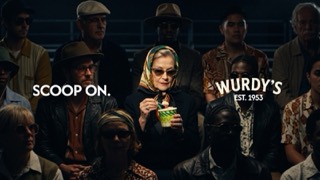
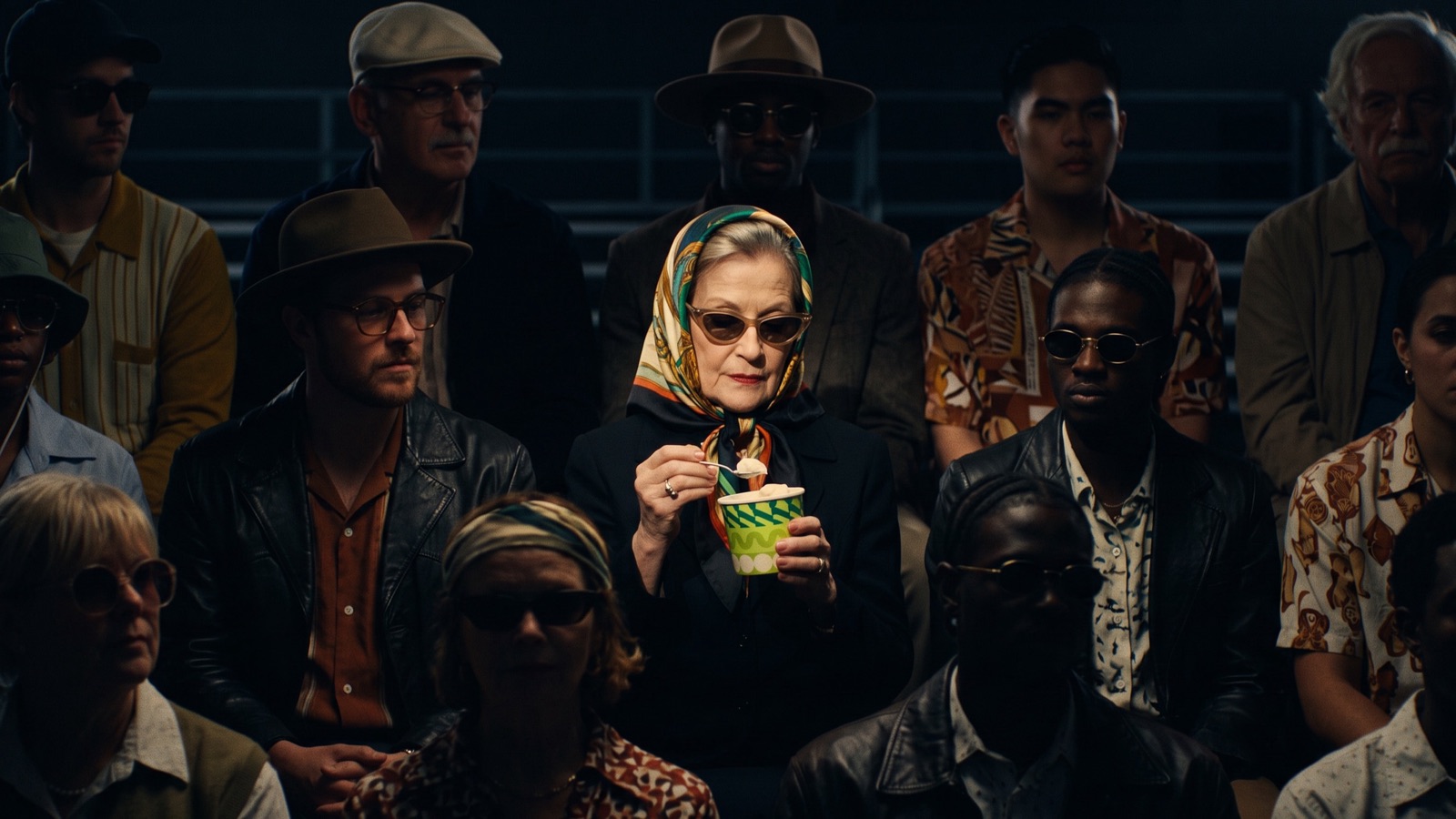
Cast: the woman in the patterned silk headscarf and cat-eye sunglasses.
Cast
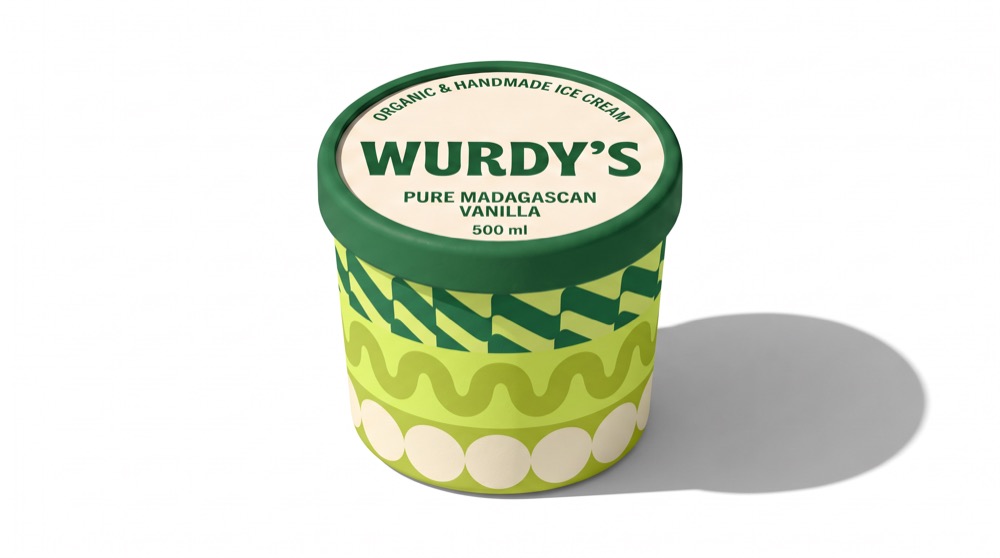
Product: the green Wurdy's tub, wrap A.
Product
Set: the dark grandstand, rows of spectators who don't react.
Set
Light
Night. One hard key from above.
Grade
Blacks crushed. Only the green survives.
Rule
Nobody reacts.
Palette
Night black, rust, tub green, scarf teal.
Wurdy's — one woman, one tub, one grandstand, one light.
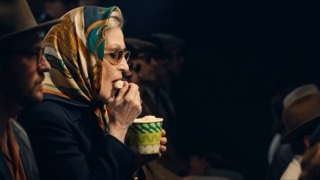
The raw render of the grandstand frame: the woman in the headscarf eats from the green tub, untouched, ungraded, with no type.
Wurdy's — straight from the machine. No retouch, no grade, no type.
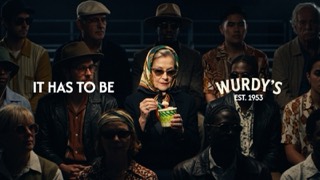
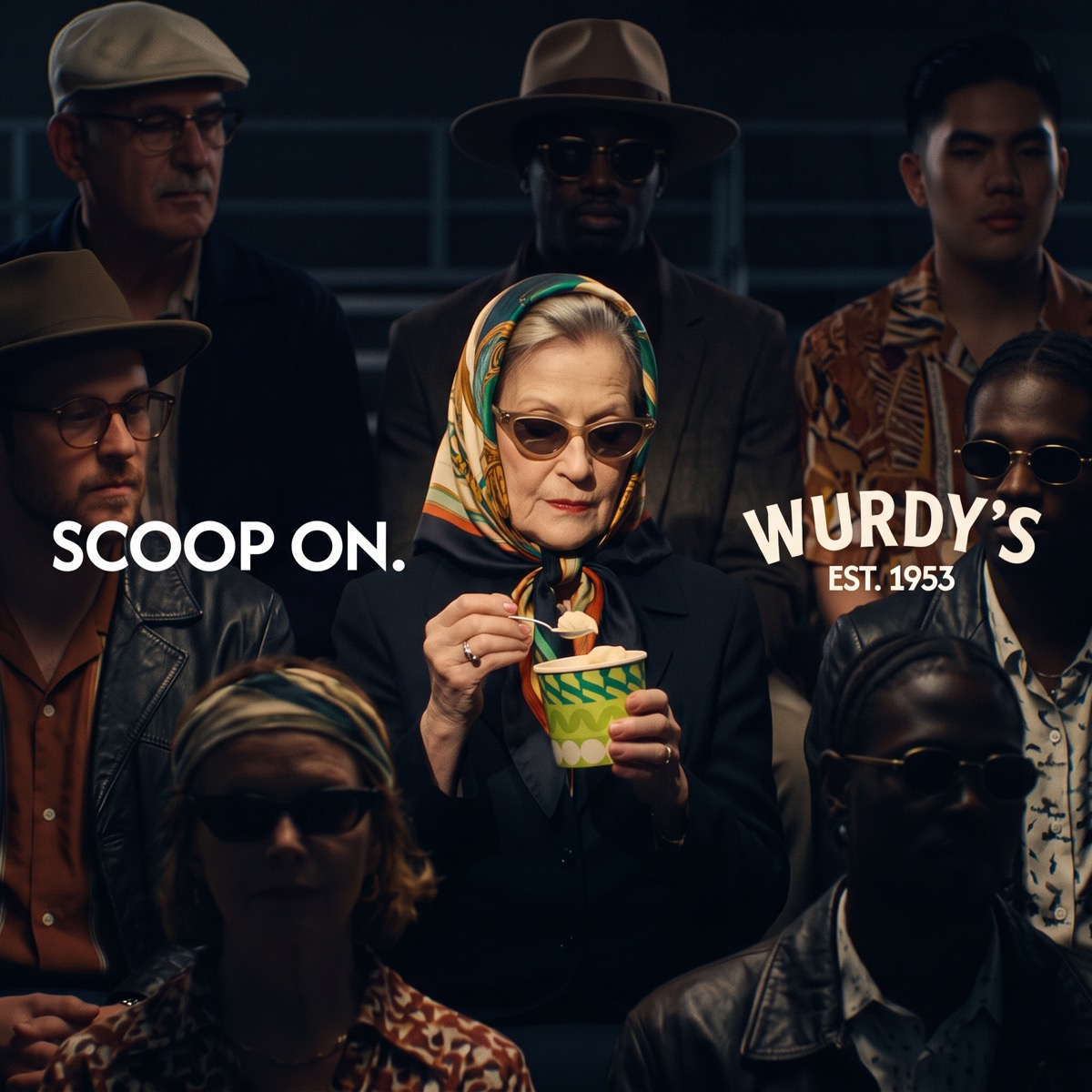
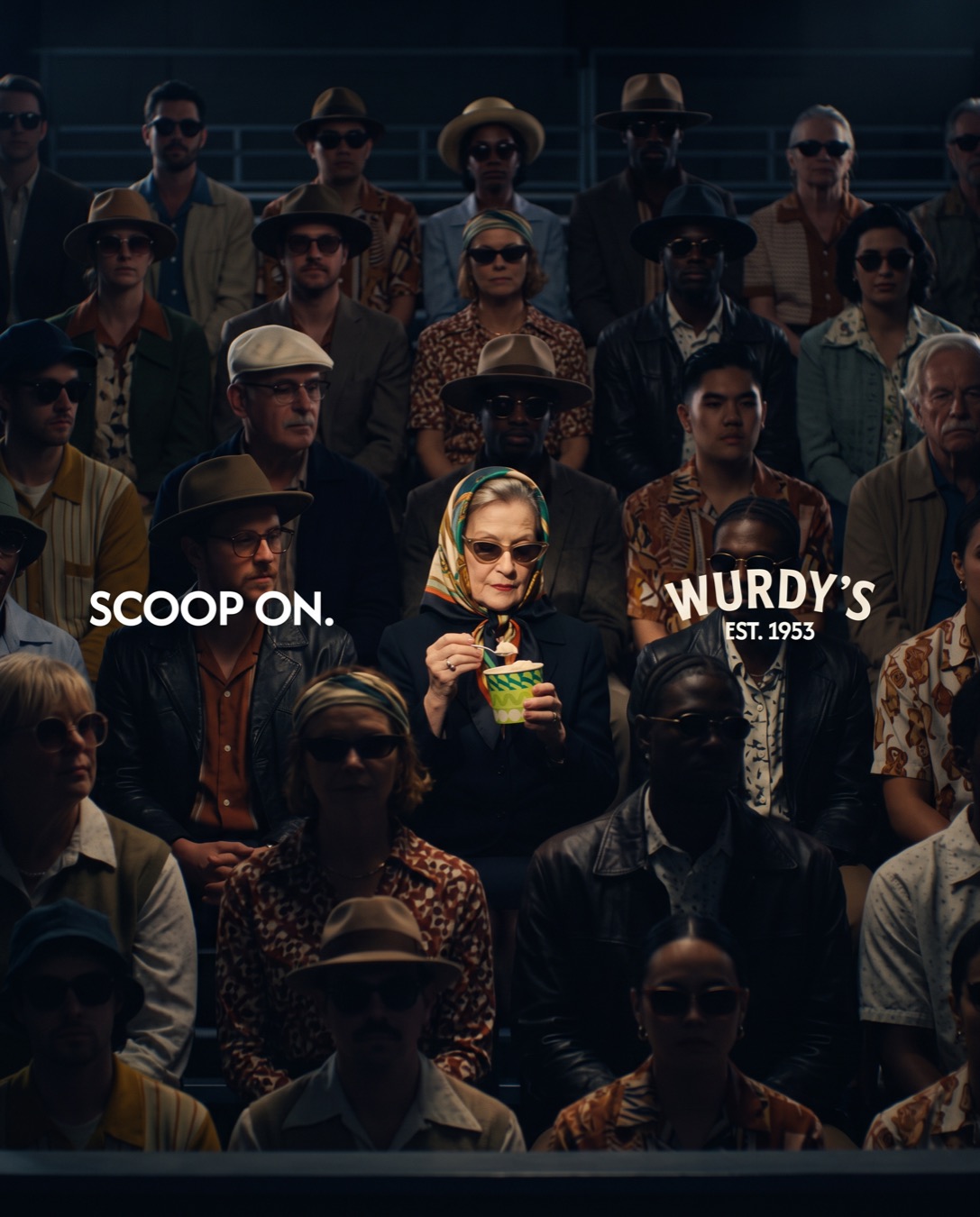
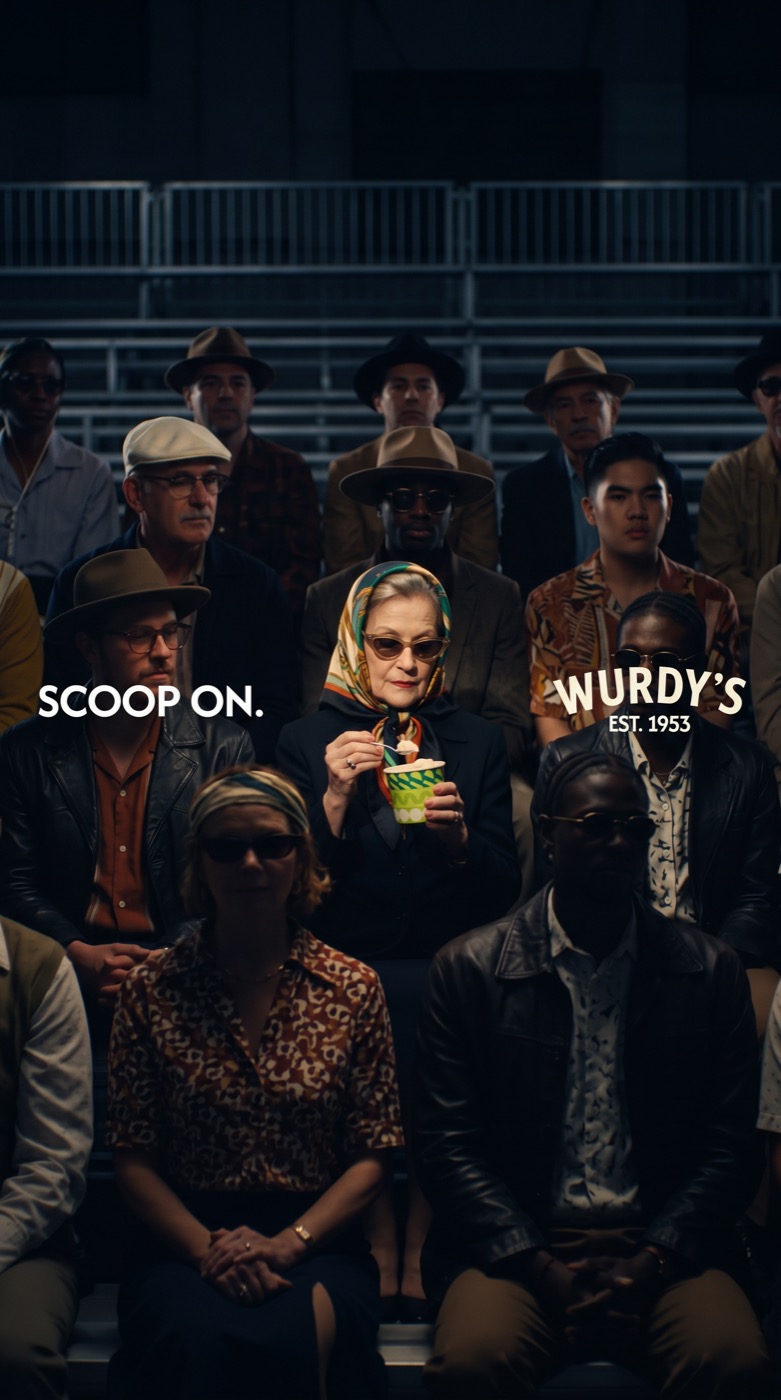
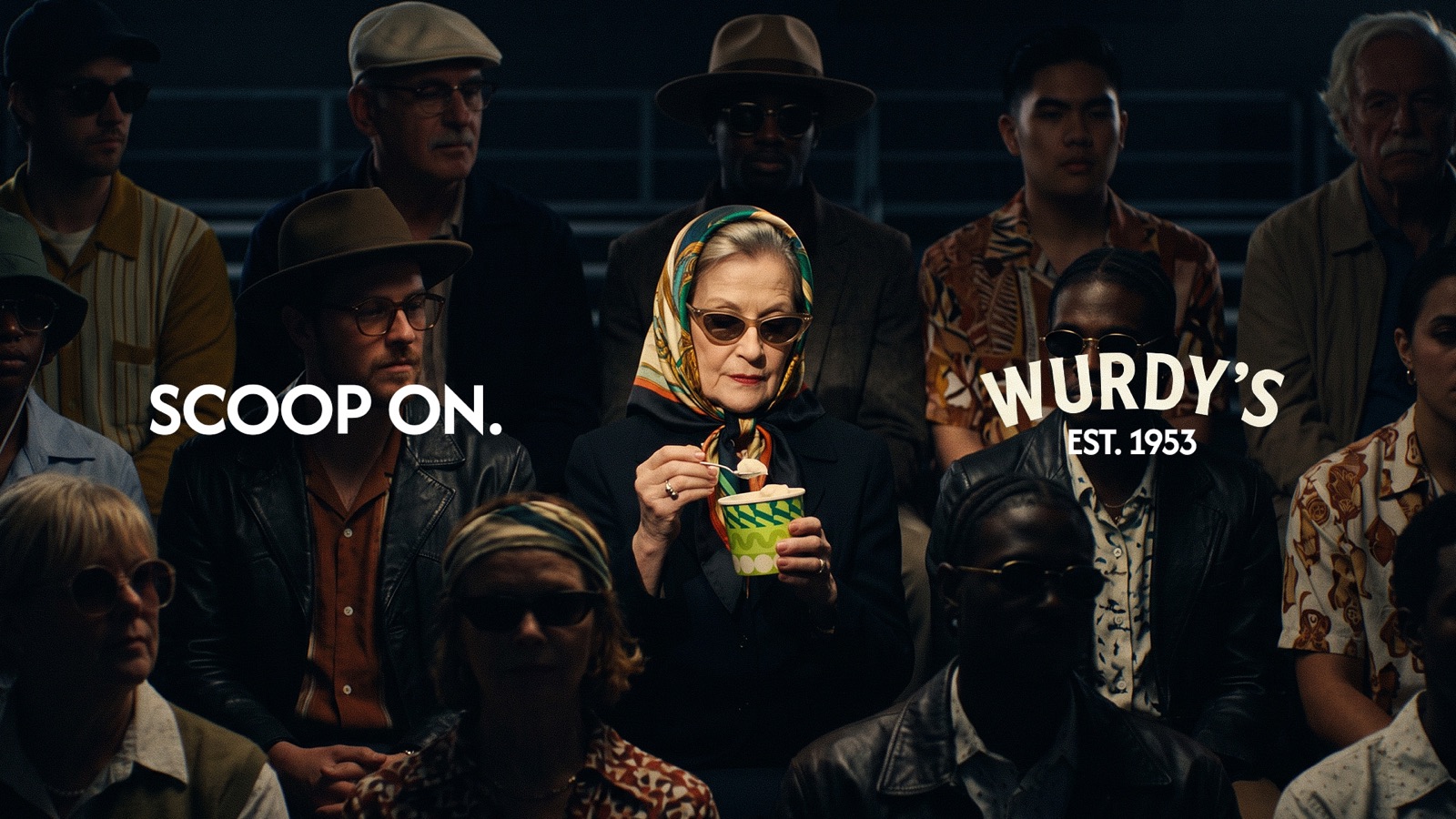
The finished Wurdy's ad: 'Scoop On.' set left of the woman, the Wurdy's lockup to her right.
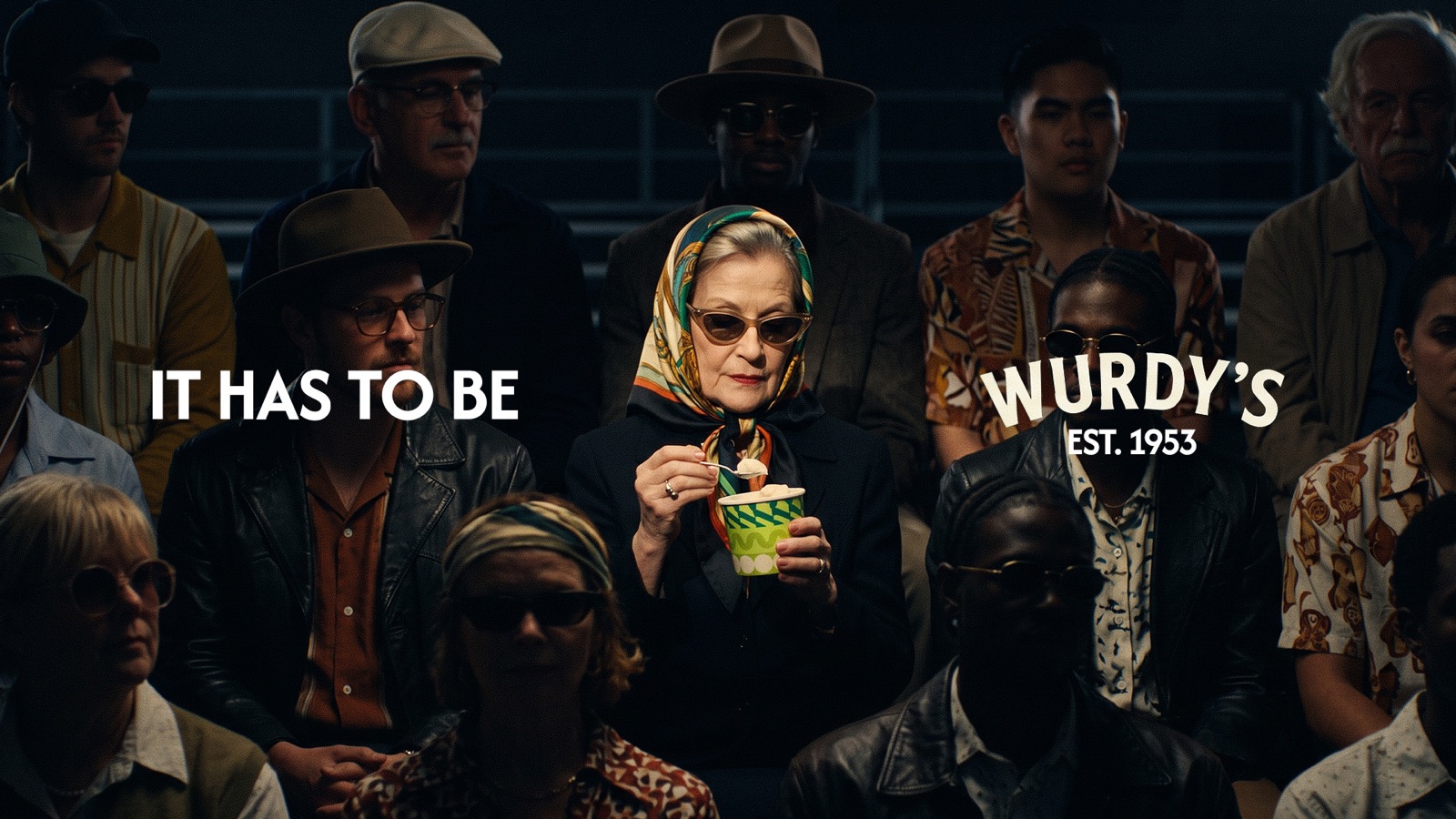
'It has to be Wurdy's' at 16:9.
'Scoop On.' at 1:1.
'Scoop On.' at 4:5.
'Scoop On.' at 9:16.
Wurdy's — finished, typeset, cut to 16:9, 1:1, 4:5 and 9:16.

Receipts

Drag it. Sketch to finish.

Left: the sketch. Right: what shipped. Human direction at the start, AI in the middle, a hand finish at the end.

The finished Amstaff frame: a lifter in an Amstaff shirt holds a loaded barbell across his shoulders in a garage rack, one bare bulb above, blue light on the garage door, a grey dog asleep on the floor in front.
A pencil storyboard of the same frame: the lifter in the rack with the barbell, the dog asleep in front, notes reading 'one bulb only', 'dog in every film' and 'blue rim light', with one blue pencil line on the garage door.

On the page

  • One bulb, written on the page before anything rendered.
  • The lifter dead centre, framed by the rack.
  • The dog asleep in front: he is in every film.

In the finish

  • Same rack, same bar, same plates as the sketch.
  • Blue on the garage door; the bulb is the only warm light.
  • The dog at the bottom of the frame, cut after cut.

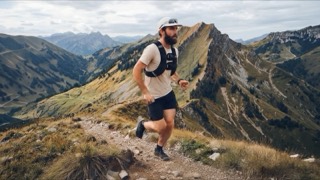
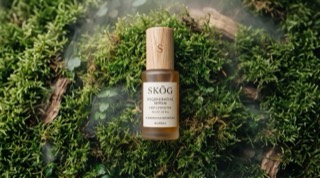
Self-initiated concepts. Wurdy's and SKÖG are invented brands. HOKA is unofficial and not affiliated with HOKA.

What are you launching?

One email. A fixed quote and a fixed date back.

Start a project

Case study

Film